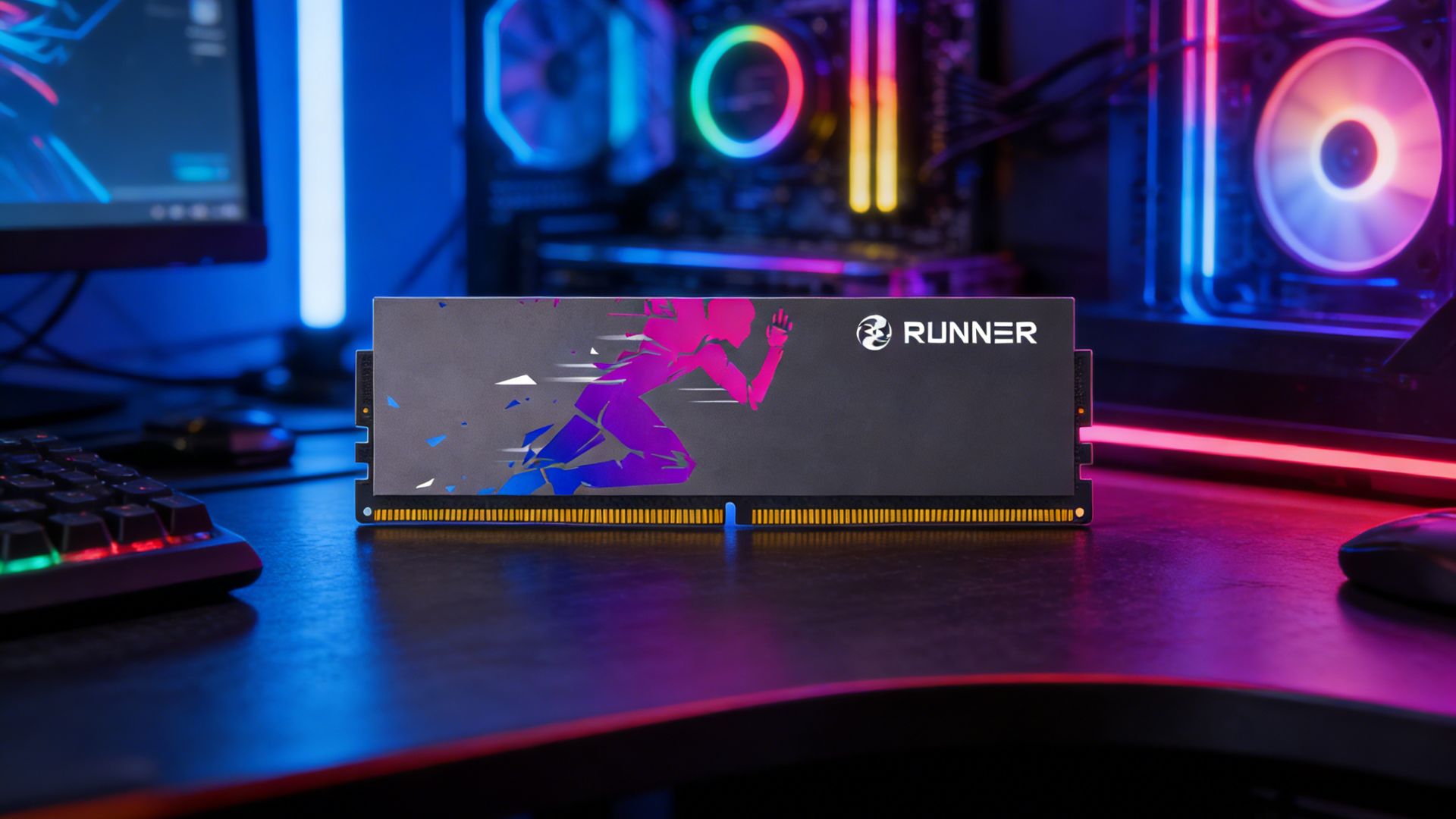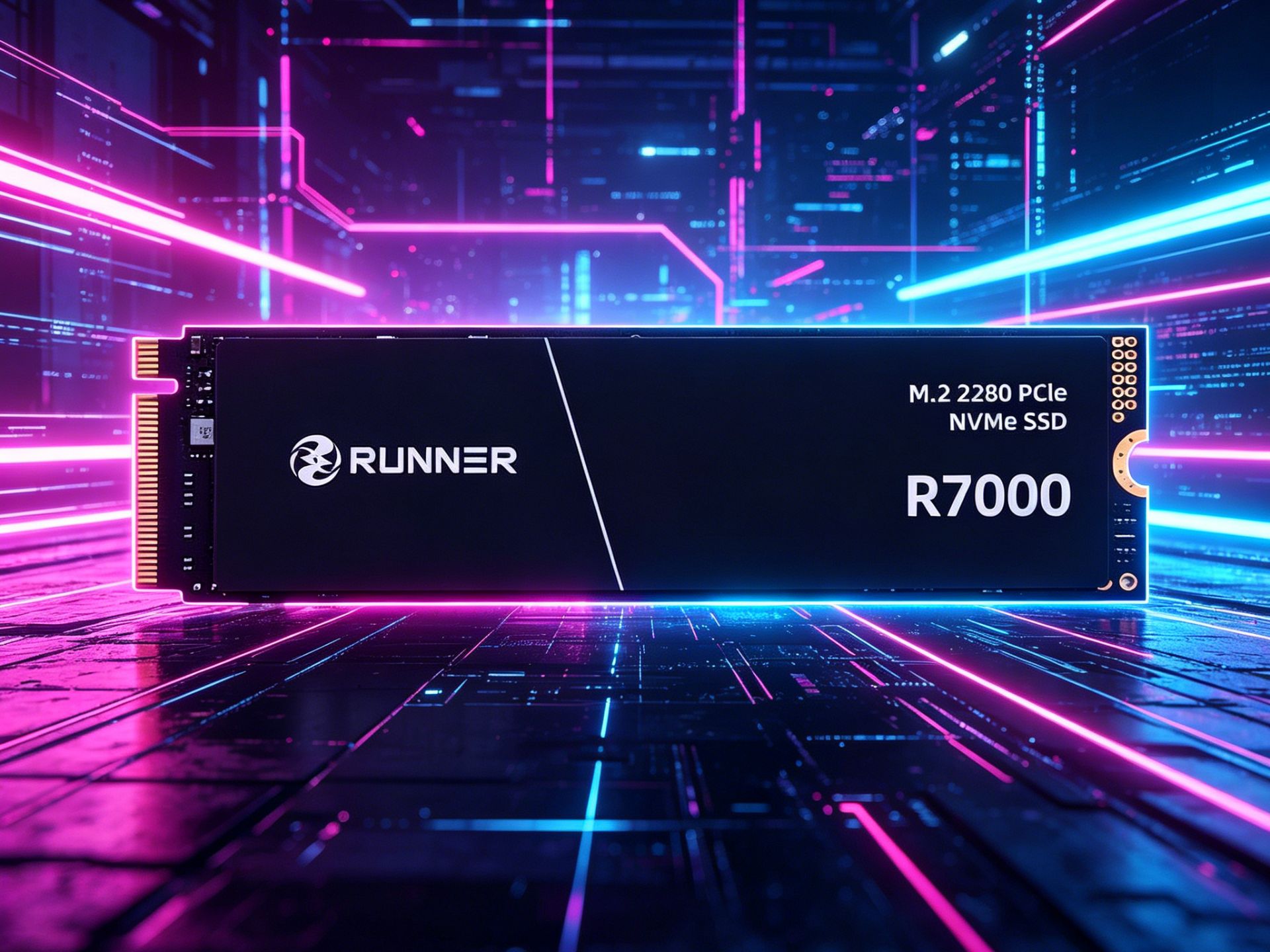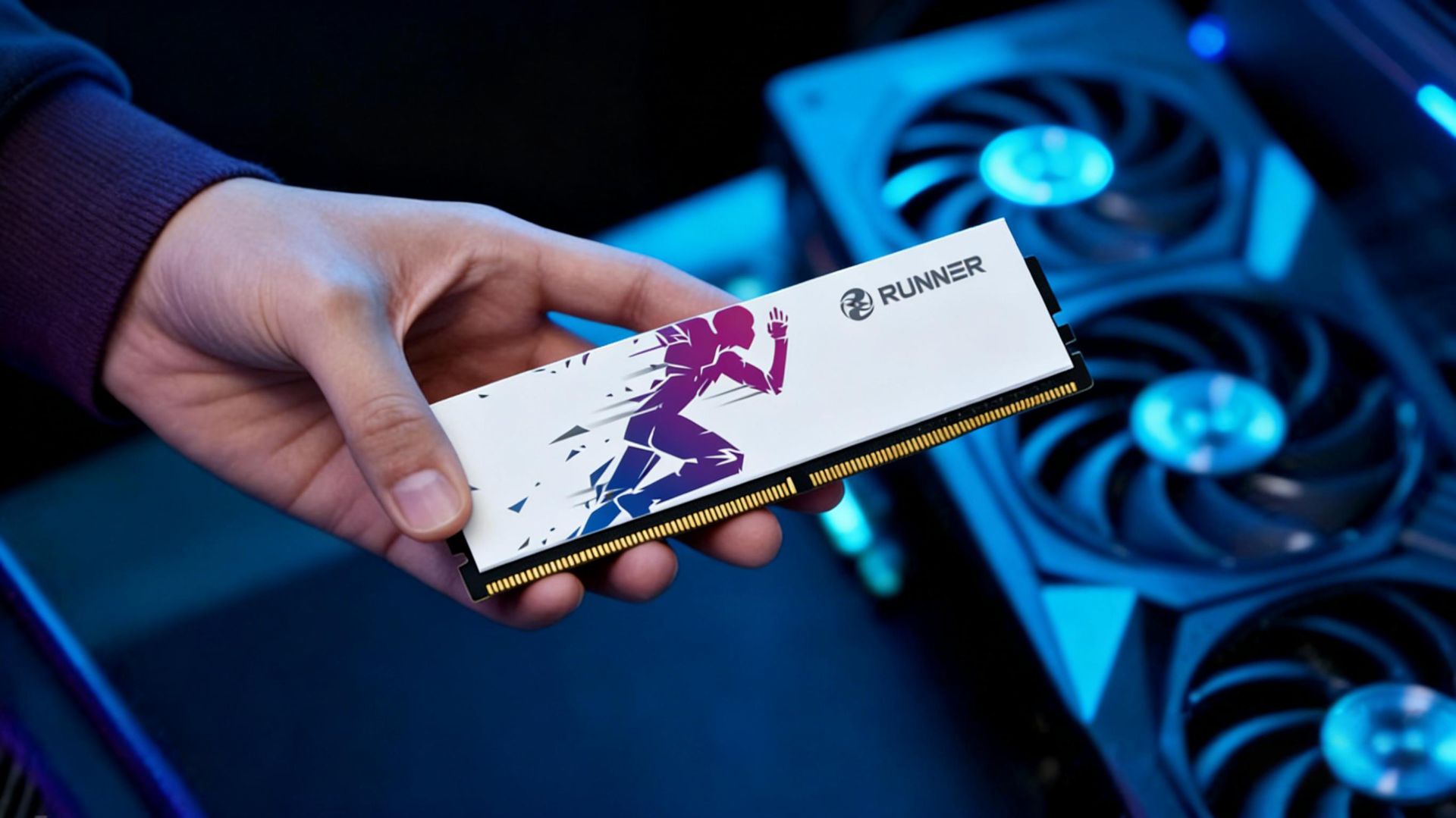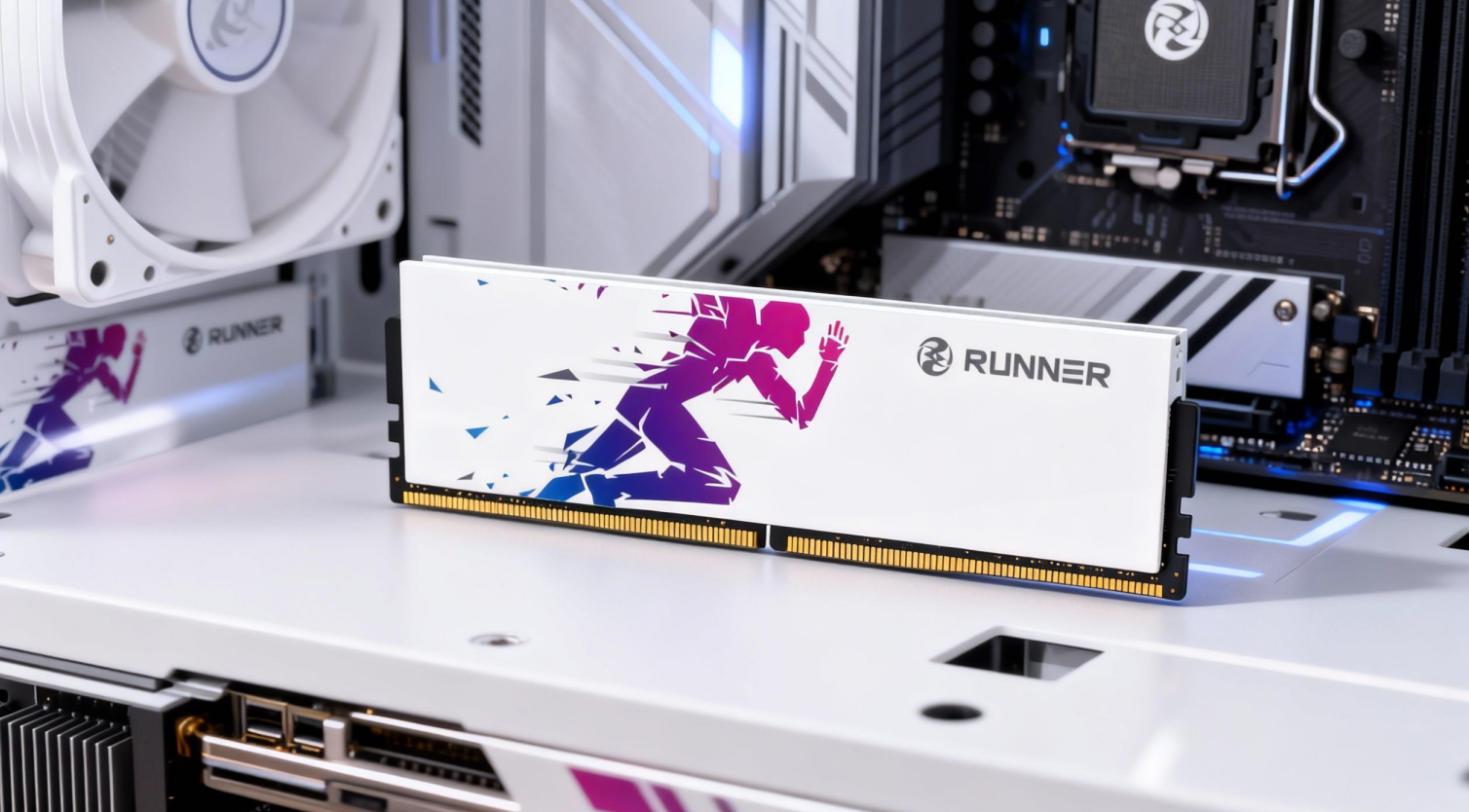
A set of carefully tuned timing parameters and an efficient heat dissipation solution—behind them lies experience gained through countless blue screens and restarts. The secret to memory stability hides in these invisible details.
When a blue screen suddenly takes over the monitor, a nearly completed engineering file vanishes due to software crashes, or the 画面 freezes abruptly in the final circle of an esports tournament—behind these frustrating experiences lies a frequently overlooked key factor: memory stability.
In today’s memory market, frequency figures take center stage. DDR5’s base frequency has jumped to 4800MHz, and XMP overclocking can push it to 6000MHz or even higher. In stark contrast to the highly sought-after frequency, the "stability" indicator of memory is rarely mentioned.
The Worship of Frequency: The Illusion and Reality Chased by the Market
Walk into any computer store or browse e-commerce pages, and the core promotion of memory products is almost identical. High frequency has become the most intuitive selling point—from DDR4’s 3200MHz to DDR5’s 6000MHz and 7200MHz, the number race is intensifying.
This trend of "frequency worship" stems from a simple logic: higher frequency means higher theoretical bandwidth, which can bring smoother game frames and faster application loading speeds.
However, as a core part of a computer’s subsystems, memory’s actual performance cannot be determined by a single frequency parameter alone. High frequency does not equal high efficiency, let alone high stability.
A computer equipped with 6000MHz DDR5 memory may deliver impressive results in AIDA64 tests, but in actual games, it may suffer significant fluctuations in minimum frame rates due to suboptimal timing. Or after running continuously for hours, it may trigger overheating protection and downclock due to insufficient heat dissipation.
At this point, those less frequently noticed parameters—timing, voltage, heat dissipation efficiency, and signal integrity—begin to play a decisive role.
Stable Core: The Overlooked Key Indicator
What exactly is memory stability? It is not a single indicator but a systematic engineering concept that covers multiple dimensions from hardware design to actual operation.
Timing configuration is the first line of defense for stability. Memory operating timing is usually expressed as CL-tRCD-tRP-tRAS, such as CL38-48-48-96. These numbers represent the delay cycles for memory to respond to commands.
Lower timing means faster response speed, but overly aggressive timing settings may prevent the system from starting stably or cause crashes under load. The stability of timing is directly related to the accurate reading and writing of data.
Voltage management is another key factor. Modern memory, especially DDR5, integrates a PMIC (Power Management Integrated Circuit) that can regulate operating voltage more precisely. Unstable voltage supply can lead to data errors and even direct system blue screens in severe cases.
At the hardware level, the number of PCB layers, circuit layout, and impedance matching all affect the purity of high-frequency signal transmission. A poorly designed memory module may experience occasional errors even at its rated frequency.
Heat dissipation design is often underestimated by ordinary users. When memory operates under high load for a long time, its temperature will rise significantly. Experimental data shows that DDR5 memory can exceed 85°C without heat dissipation, triggering throttling protection.
Insufficient heat dissipation not only causes frequency drops but also accelerates electron migration and shortens the lifespan of memory chips. Long-term high temperatures are the biggest invisible killer of memory stability.
Scenario-Based Needs: Why Stability Matters
Stability issues manifest in different forms across various usage scenarios, with varying degrees of impact.
For esports players, the most direct manifestation of unstable memory is severe frame rate fluctuations and unexpected freezes during gameplay. In competitive games, such freezes often mean operational mistakes at critical moments.
Content creators face even greater risks. Professional applications such as video rendering and 3D modeling require memory to run under high load for long periods. Any minor data error may result in the corruption or loss of hours of work.
Data errors are divided into correctable and uncorrectable types. The former can be fixed through ECC (Error-Correcting Code) mechanisms but cause performance losses; the latter directly lead to system crashes or file corruption. Ordinary memory lacks full ECC protection, making stability even more crucial.
For workstations or servers running 24/7, memory stability is a core indicator related to the system’s continuous operation capability. In fields such as financial transactions and scientific research, the cost of memory errors can be astronomical.
Stable Foundation: How to Build a Reliable System
Building a stable memory system requires comprehensive consideration from multiple levels, rather than simply choosing high-frequency products.
Platform compatibility is the foundation. Memory controllers of different generations of CPUs have varying support for frequency and timing. For example, AMD Ryzen 7000 series is optimally tuned for DDR5-6000, while Intel 13th Gen Core can support higher frequencies.
The compatibility between memory, motherboard, and CPU must be strictly verified. Motherboard manufacturers release QVL (Qualified Vendor List) that lists memory models tested to run stably.
Heat dissipation solutions should be selected based on expected loads. For regular use, designs with metal heat sinks are sufficient; but for overclocking or high-intensity continuous operation, active cooling or larger-area heat sinks become necessary.
Environmental factors are often overlooked. High-temperature environments exacerbate heat dissipation challenges, and the heat accumulation effect of adjacent modules is more pronounced in multi-memory configurations. Maintaining good chassis airflow is also important for memory stability.
Software-level optimization is indispensable. Timely updating the motherboard BIOS can improve memory compatibility and stability support. At the operating system level, properly setting virtual memory can reduce the pressure on physical memory.
Stable Evolution: The Future Direction of the Industry
With the popularization of DDR5 standards, the technical guarantee for memory stability is undergoing innovation.
On-die ECC is an important feature introduced by DDR5, which can correct single-bit errors inside memory chips and significantly reduce the soft error rate. This design makes DDR5 more reliable than DDR4 at the same frequency.
The integration of PMIC enables more precise voltage control. Independent power management chips can dynamically adjust power supply according to load, reducing stability issues caused by voltage fluctuations. They also support more refined power management to reduce overall heat generation.
The application of new materials is changing the heat dissipation landscape. The introduction of high-efficiency thermal conductive materials such as graphene pads and vapor chamber technology enables more efficient heat transfer in compact spaces.
In the future, as memory frequency continues to rise, stability challenges will become more severe. Advanced packaging technologies such as 3D stacking and TSV (Through-Silicon Via) may become key paths to balance high frequency and stability.
Industry standards are also evolving. The JEDEC standards organization has planned DDR5 frequencies up to 8800MT/s. Maintaining stability at this frequency will test the technical capabilities of the entire industry chain.
Fast + Stable: RUNNER’s Continuous Pursuit
PC enthusiasts repeatedly test memory stability, esports players specially tune timing parameters for tournaments, and data center engineers run memory stress tests on servers for up to a week. Frequency numbers determine the upper limit of performance, while stability determines the lower limit of experience.
When users no longer only focus on the largest frequency numbers on the packaging box but start asking about timing parameters, heat dissipation design, and platform compatibility, the competition in the memory market truly enters an essential level. Because any performance is only meaningful under the premise of stable operation.
The R&D team of MEMRUNNER’s new products regards stability as a core indicator equal to frequency. From chip selection to circuit design, from heat dissipation solutions to compatibility testing, every step revolves around one goal: to let memory perform at full speed while maintaining steady operation.